
Shower Leaking Behind the Wall? What Mandurah Homeowners Need to Know
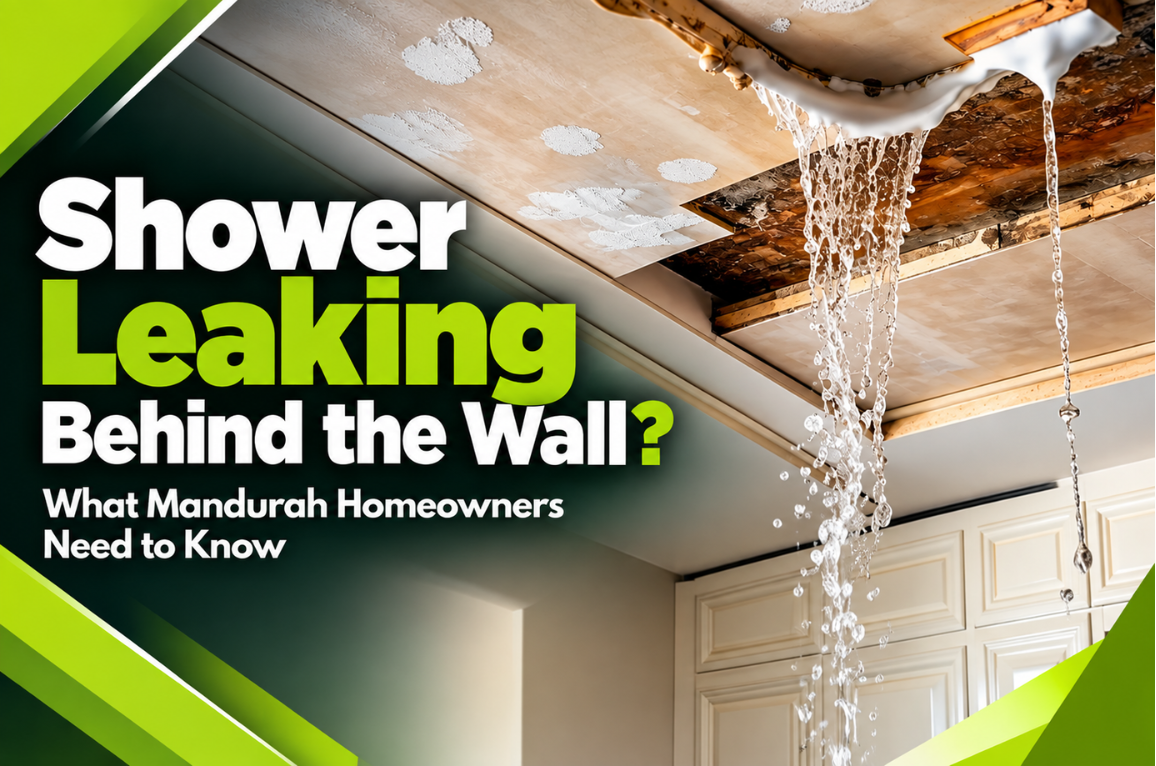
A Shower Leak Doesn’t Always Stay in the Shower
Yes, a shower can leak behind the wall and it often does while everything looks normal from inside the recess. The tiles are intact, the water drains away, the floor is dry. Meanwhile water is escaping into the wall cavity or framing.
Leaking showers are one of the more common issues we’re called to across Mandurah and the Peel region, and the concealed ones cause the most damage. The source may be a plumbing connection, a deteriorated seal, cracked grout or tiles, or failed waterproofing, all of which produce similar symptoms, and none of which resolve on their own.
How Do I Know If My Shower Is Leaking Behind the Wall?
Homeowners usually see the damage before the leak. Signs worth taking seriously:
- Damp or discoloured patches on the wall opposite the shower
- Bubbling paint, or swollen skirting boards, door jambs and vanity kickboards
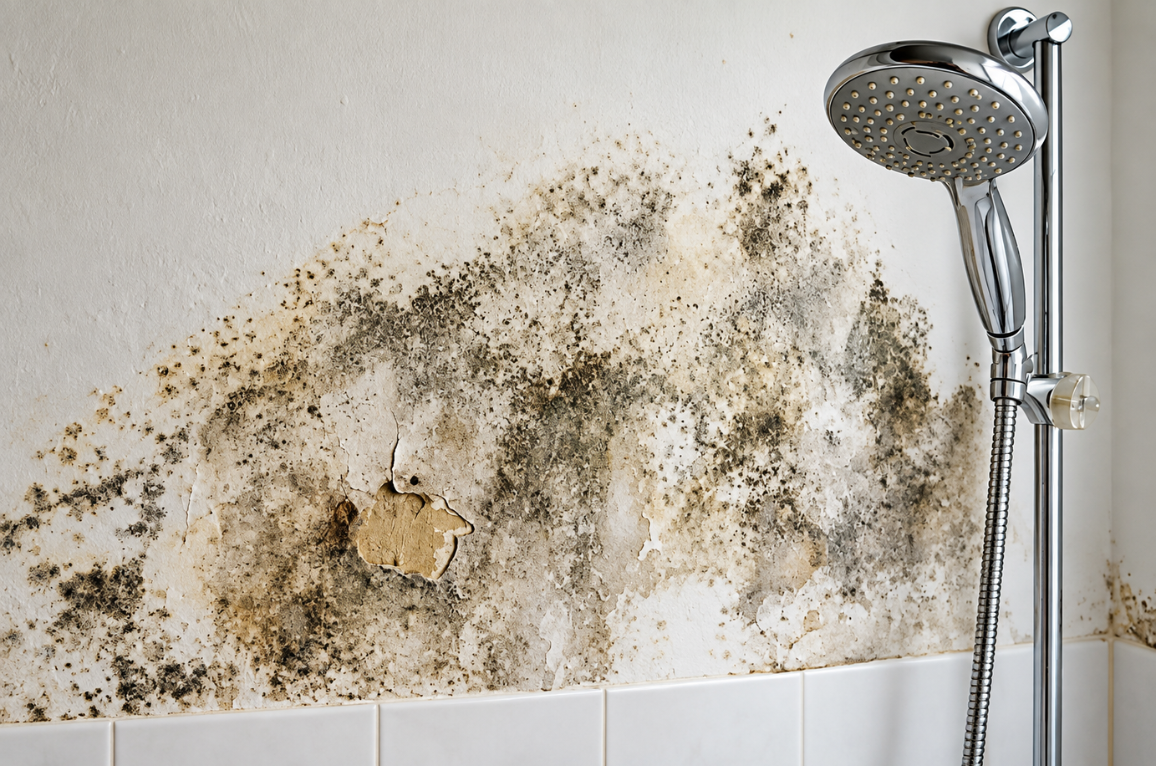
- Mould outside the shower area, a hallway, robe or adjoining bedroom
- Tiles that sound hollow when tapped, or grout that stays dark long after the room has dried
- Water marks on the ceiling below an upstairs ensuite
These signs show water is escaping somewhere, but not where from. Water tracks along framing, sheeting and slab edges before it surfaces, so the damp patch is often well away from the leak.
Is It a Plumbing Leak or Failed Waterproofing?
This question determines the repair, and it’s where most advice stops short.
A plumbing leak is water escaping from pipework or fittings, the mixer body or cartridge, a tap spindle, a joint in the wall, the riser to the rose, or the shower waste.
A waterproofing failure is different. No pipe is leaking. Water passes through the tiles, grout, silicone or hob and gets past the waterproof membrane behind the wall sheeting and beneath the floor bed, required under AS 3740. Once it’s compromised by movement, age, poor detailing at junctions, or later drilling for a rail or screen bracket, water enters the structure even though every fitting is sound.
One observation helps, when does the moisture appear?
- Only during or just after showering more often the surfaces, seals or waste
- Constantly, whether the shower is used or not, more suggestive of a pressurised supply line
- Worse after long showers, better after a few days away, often membrane-related
These are indicators, not proof, a failed waste and a failed membrane can present almost identically. That’s why shower waterproofing in Mandurah homes should follow a proper assessment, not precede one. Resealing a shower that’s leaking from a mixer only hides the problem.
Why a Concealed Shower Leak Shouldn’t Be Left
Behind a wall, moisture has nowhere to evaporate to. Over time it can soften plasterboard, swell timber framing, spread mould into adjoining rooms and deteriorate skirtings, flooring and cabinetry. A targeted plumbing repair is a far smaller job than replacing wet sheeting and re-waterproofing a shower.
What Should I Do If I Suspect a Leak?
Observe, but don’t dismantle.
- Note where and when moisture appears, and photograph it over a week
- Compare days the shower is used against days it isn’t
- With all taps and appliances off, check whether the water meter is still ticking over, movement suggests a supply-side leak, though not where
Don’t remove tiles, cut into plasterboard or pull apart tapware yourself. Concealed pipework and cabling run through bathroom walls, and opening the wrong section rarely answers the question.
When Does a Leaking Shower Need Professional Repair?
Get it assessed when you notice:
- Moisture persisting well after the bathroom has dried out
- Dampness appearing outside the shower enclosure or in an adjoining room
- Lifting tiles, failing grout or corroding screen frames
- A leak that has come back after a previous repair or reseal
A licensed plumber can inspect accessible pipework, test the waste and drainage, check the tapware and mixer, and work through the causes methodically. That determines whether the answer is leaking shower repair, waterproofing work, or both.
Getting It Diagnosed Properly
A shower leaking behind a wall isn’t a cosmetic problem, and the right fix depends on the cause. Establishing whether it’s plumbing or waterproofing is the first step towards preventing further damage.
If you’ve noticed damp walls, recurring mould or a musty smell you can’t explain, get in touch with our team at RDF Plumbing, we work throughout Mandurah, Rockingham and the Peel region.
October 13, 2026