
How to Tell If You Have a Hidden Water Leak (and How Leak Detection Works)
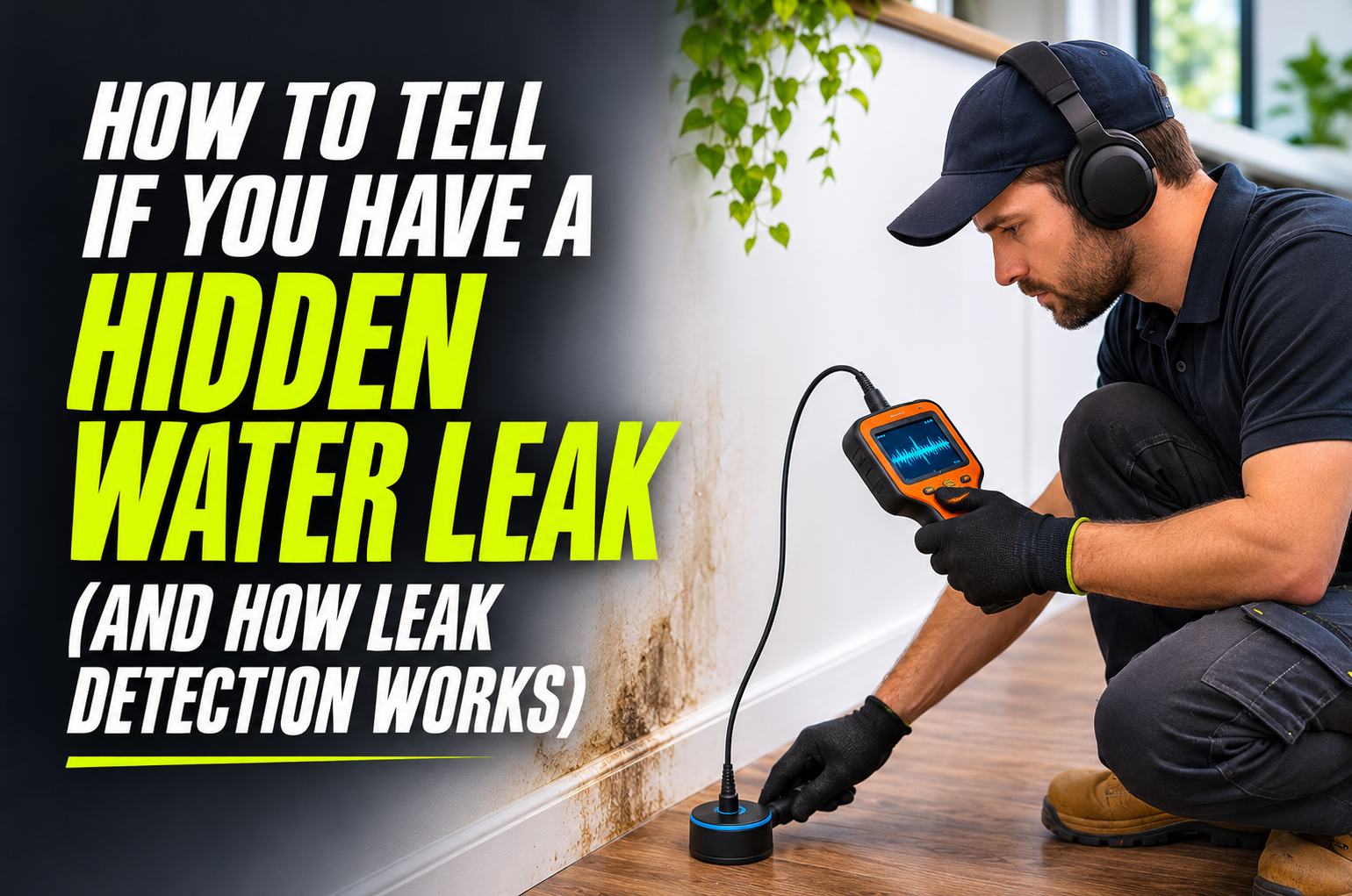
Hidden water leaks can develop behind walls, beneath floors, underground or around concealed plumbing connections. Common signs include unexplained water bills, damp patches, mould and water meter movement when nothing is running. Professional water leak detections use meter testing, acoustic equipment and thermal imaging to find the source without unnecessary damage to your home.
How Do You Know If You Have a Hidden Water Leak?
Hidden leaks usually show up as small changes that are easy to dismiss. When several appear together, or keep returning, a concealed leak becomes more likely.
- Unexpected increases in water bills with no change in your routine.
- Damp patches on walls, ceilings or floors, often spreading out from the source.
- Peeling paint or bubbling plaster, caused by moisture trapped behind the surface.
- Persistent musty smells in cupboards, wardrobes or bathrooms.
- Mould without an obvious cause, particularly in ventilated rooms or mould that returns soon after cleaning.
- Unexplained wet areas outside, such as soggy lawn, unusually green patches or soft ground along a pipe route.
- Reduced or inconsistent water pressure at taps and showers.
- Water meter movement while every tap and appliance is off.
Condensation, rising damp, roof leaks and failed shower waterproofing can produce similar symptoms. Treat these signs as indicators worth investigating, not a confirmed diagnosis.
How Can You Check for a Hidden Water Leak Using Your Water Meter?
A water meter test is a simple, safe way to check whether water is flowing through your plumbing when it shouldn’t be. In most WA homes, the meter sits near the front boundary.
- Turn off all taps inside and outside, including garden reticulation.
- Make sure the washing machine, dishwasher, evaporative air conditioner and water filters aren’t running, and toilet cisterns have finished refilling.
- Record the full meter reading, including the smaller dials. Many meters also have a low-flow indicator that turns with slight water movement.
- Wait at least an hour without using any water. Longer is better.
- Check the meter again. If the reading or indicator has moved, water is passing through the meter.
Continued movement suggests a leak on your side of the meter, but the test has limits:
- Intermittent leaks may not appear during a short test.
- Some leaks sit outside the metered plumbing, such as a fault at the meter connection, and may not register the same way.
- The meter can’t show where the leak is. It confirms flow, not location.
- Toilets and appliances can quietly use water. A cistern trickling into the pan is a common culprit, so rule these out first.
Where Do Hidden Water Leaks Commonly Occur in WA Homes?
Concealed leaks can form anywhere water travels out of sight, including:
- Water pipes inside wall cavities
- Pipes beneath concrete slabs
- Underground supply lines between the meter and the house
- Bathroom connections, shower mixers and wet-area plumbing
- Kitchen and laundry connections behind cabinetry
- Hot water system connections
- Pipe joints and fittings
- Outdoor water lines and reticulation pipework
Many homes across the Perth and Peel regions are built on concrete slabs, so a slab leak can run for some time before moisture reaches the surface. Sandy soils, common in coastal suburbs, can let escaping water drain away rather than pool, meaning an underground water leak may only show up as a higher bill. Indoors, water can travel along framing and appear well away from the fault, so guessing the location often causes unnecessary damage.
How Does Professional Water Leak Detection Work?
Professional leak detection uses specialised equipment to narrow down a leak’s location before any wall, floor or garden is opened. No single tool suits every situation, so experienced plumbers combine methods and interpret the results together.
Acoustic Leak Detection
Water escaping from a pressurised pipe creates sound and vibration. Acoustic leak detection uses sensitive ground microphones and listening equipment to pick up these noises through floors, walls and soil. Results depend on water pressure, pipe material, depth, background noise and access, so it’s highly useful but not infallible.
Thermal Imaging
Thermal imaging cameras detect surface temperature differences. Leaking water often cools or warms the surrounding surface, and leaking hot water lines can show particularly clear patterns. A thermal camera doesn’t see water through walls. It shows temperature variations that a trained technician interprets, usually alongside other tools.
Pressure Testing
Pressure testing involves isolating the plumbing system, or a section of it, and monitoring whether it holds pressure over time. A pressure drop helps confirm a leak and can show which section is affected. On its own, it doesn’t pinpoint the exact spot, and the method used varies with the system and the suspected leak.
Additional Diagnostic Methods
Depending on the situation, plumbers may also use:
- Tracer gas detection, where a safe gas mixture is introduced into a drained line and detected as it escapes
- Moisture meters to map how far dampness has spread through building materials
- Pipe locating equipment to trace buried or concealed pipework
- Targeted inspection of fixtures, access points and wet areas
Cross-checking results lets us keep any access small and targeted.
Can a Hidden Water Leak Increase Your Water Bill?
Yes. A concealed leak can steadily increase water consumption even when nobody is using water, so the first sign is often a bill that doesn’t match your household’s routine.
A continuous leak, such as a cracked supply pipe under a slab, loses water around the clock. An intermittent leak may only lose water at certain times, making usage patterns harder to read. Either way, the longer it goes unnoticed, the more water is lost. Early water leak detections help limit ongoing loss and reduce the chance of moisture damage spreading.
When Should You Call a Professional for Leak Detection?
Consider a professional assessment if:
- Your water meter keeps moving when no water is being used
- Your water bill rises unexpectedly
- Dampness persists without an obvious cause
- Mould keeps coming back
- Water damage appears around walls, skirting boards or floors
- You suspect a leak beneath a concrete slab
- You can’t locate the leak through basic observation
Professional leak detection services help avoid the cost and disruption of opening multiple sections of wall or digging up driveways and gardens in search of the problem. For homeowners needing leak detection in Mandurah, Rockingham, Baldivis and surrounding suburbs, a local plumber familiar with slab construction and coastal soils can make the investigation more efficient. When comparing leak detection Mandurah options, start with the meter test, then have a licensed plumber confirm the cause.
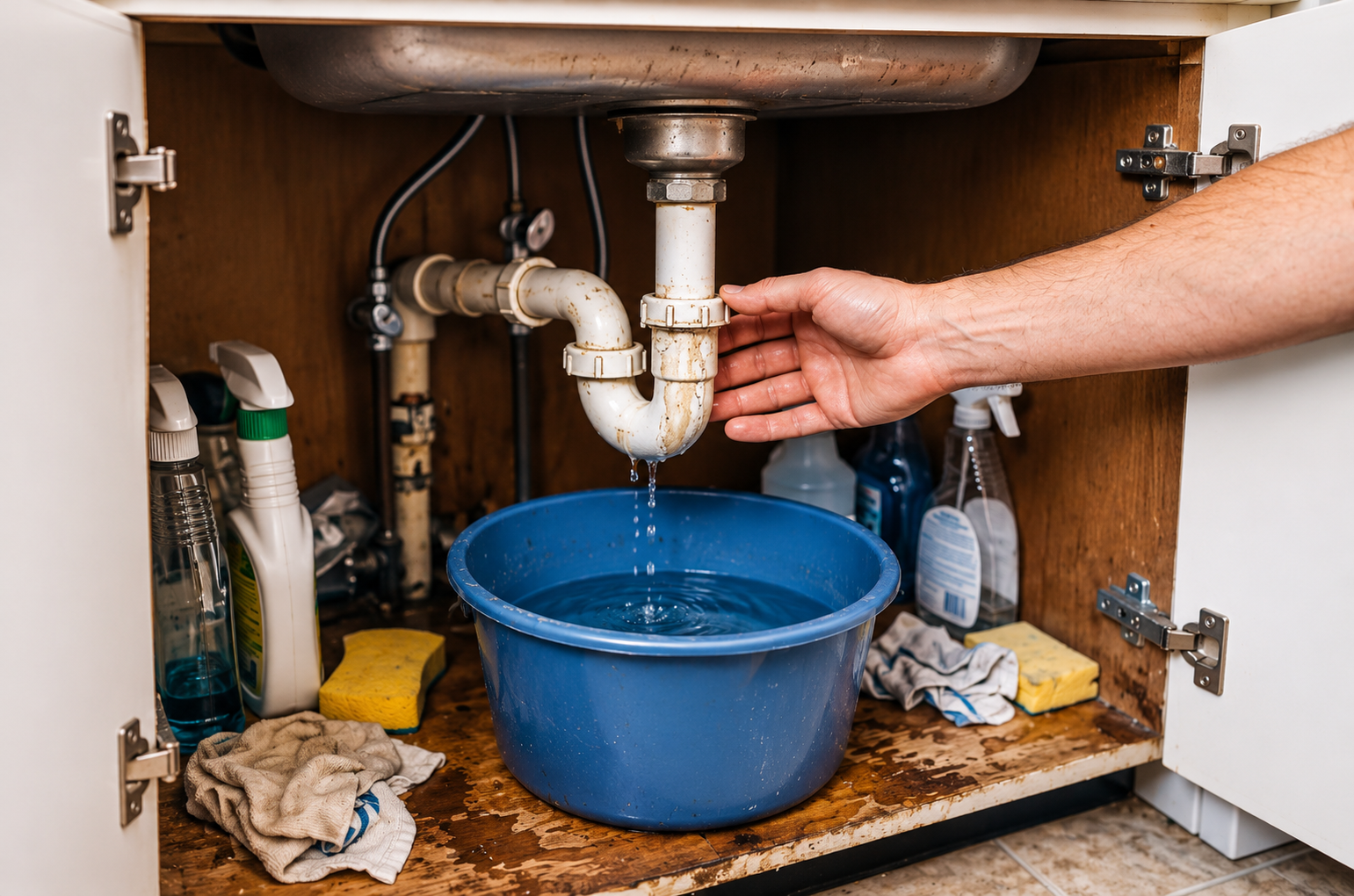
What Happens After a Hidden Water Leak Is Located?
Once the likely source is identified, the next steps typically include:
- Confirming the location, sometimes through a small, targeted access point
- Assessing the cause and extent, such as a failed joint, corroded pipe or damaged fitting
- Determining the right water leak repair, from a localised fix to rerouting a section of pipe
- Considering restoration or waterproofing, particularly in wet areas
- Checking the system after repair, often with a further meter or pressure check
Locating and repairing a leak is plumbing work. Repairing resulting damage to plaster, tiling, flooring or cabinetry may involve separate trades.
Don’t Ignore the Signs of a Hidden Water Leak
Hidden water leaks can go unnoticed for months, but unexplained water usage, dampness and recurring mould shouldn’t be ignored. A water meter test gives you an initial indication, while professional leak detection identifies the source more accurately and with less disruption.
If you suspect a concealed leak, the team at RDF Plumbing can help. Explore our leak detection services for homes across Mandurah, Rockingham and surrounding areas, and get answers before a small leak becomes a bigger problem.
Frequently Asked Questions
How do I know if I have a hidden water leak?
You may have one if you notice an unexplained rise in your water bill, damp patches, bubbling paint, musty smells and recurring mould. To check, turn off all taps and water-using appliances, record your water meter reading and recheck it after an hour. If the meter has moved, water may be leaking somewhere in your plumbing.
How do plumbers find leaks without digging?
Plumbers use non-invasive tools such as acoustic listening equipment, thermal imaging cameras, pressure testing, moisture meters and tracer gas to narrow down a leak’s location. Combining methods helps pinpoint the source more reliably. Some leaks still need a small, targeted access point or excavation to confirm and repair, but far less than guesswork would.
Can a hidden leak increase my water bill?
Yes. A concealed leak lets water escape continuously or intermittently, so your meter records usage even when nobody is using water. An unexplained increase in your bill, particularly compared with the same period last year, is worth investigating with a water meter test and, if needed, professional water leak detection.
November 28, 2026