
How to Fix Low Shower Pressure and Improve Your Water Flow
There’s nothing quite like stepping into a powerful, steamy shower to start your day, until you’re met with a weak, disappointing trickle of water. If you’re dealing with frustratingly low water pressure in your shower, you’re not alone. It’s a common household problem that can develop from several underlying issues, but the good news is that most are fixable.
In this post, we’ll see the top reasons for low shower pressure and offer practical tips on how to fix low shower pressure and enjoy the water flow you deserve.

Why Is Your Shower Pressure Low?
- Clogged Showerhead
- Old or Low-Flow Showerhead
- Partially Closed Valves
- Faulty Pressure Regulator
- Pipe Corrosion or Leaks
- Mixer Valve Issues
- Municipal Supply Problems
Over time, mineral deposits, especially in hard water areas, build up inside your showerhead. These deposits block water from flowing freely, resulting in reduced pressure. A common sign is uneven spray or water coming out at odd angles. One quick fix you can do is unscrew the showerhead and soak it in white vinegar overnight. This helps dissolve the calcium buildup. Give it a good rinse and scrub with an old toothbrush before reinstalling.
Some showerheads are designed to limit water usage (great for saving water, not so great for pressure). Older models, in particular, may not offer the best flow performance. Consider upgrading to a high-efficiency, high-pressure showerhead. Many modern designs offer a powerful stream without significantly increasing water consumption. You can get this installed by a licensed plumber.
Your home’s water supply involves several shut-off valves. If even one is partially closed, it could be blocking the water pressure to your shower. Check your main water valve and any other sepaxrated valves near your bathroom. Make sure they’re fully open.
Many homes have a pressure regulator that controls water flow from the main supply. If it’s malfunctioning, it could be the reason your shower pressure is also impacting. You’ll need a plumber to test the pressure and replace the regulator if necessary. It’s a fairly quick job with a big payoff in water flow.
In older homes, galvanised steel pipes can corrode over time, restricting water flow. Moreover, hidden leaks in your plumbing system could be diverting the water flow and resulting in low shower pressure. If the low pressure is affecting multiple taps, it might be time for a professional pipe inspection. Pipe replacement or repair by a plumber is necessary in this situation to restore proper pressure.
In single-handle showers, a mixing valve controls the flow of hot and cold water. If this valve is faulty, it can restrict water from flowing properly. Replacing a mixing valve is best left to a licensed plumber, especially since it’s usually embedded in the wall behind your shower controls.
If your neighbors are experiencing the same issue, the problem might lie with your local water supply. Maintenance work, mainline issues, or seasonal changes can all affect water pressure temporarily. Contact your local water utility for information. If it’s a common issue, they may already be working to resolve it.
Bonus Tip: Consider a Shower Pump
If your water system naturally delivers low pressure, a shower pump can significantly boost the flow. This is especially useful in gravity-fed systems where water travels from a tank in the attic.
Note: Installation should be done by a qualified plumber, as the pump must comply with water safety standards.
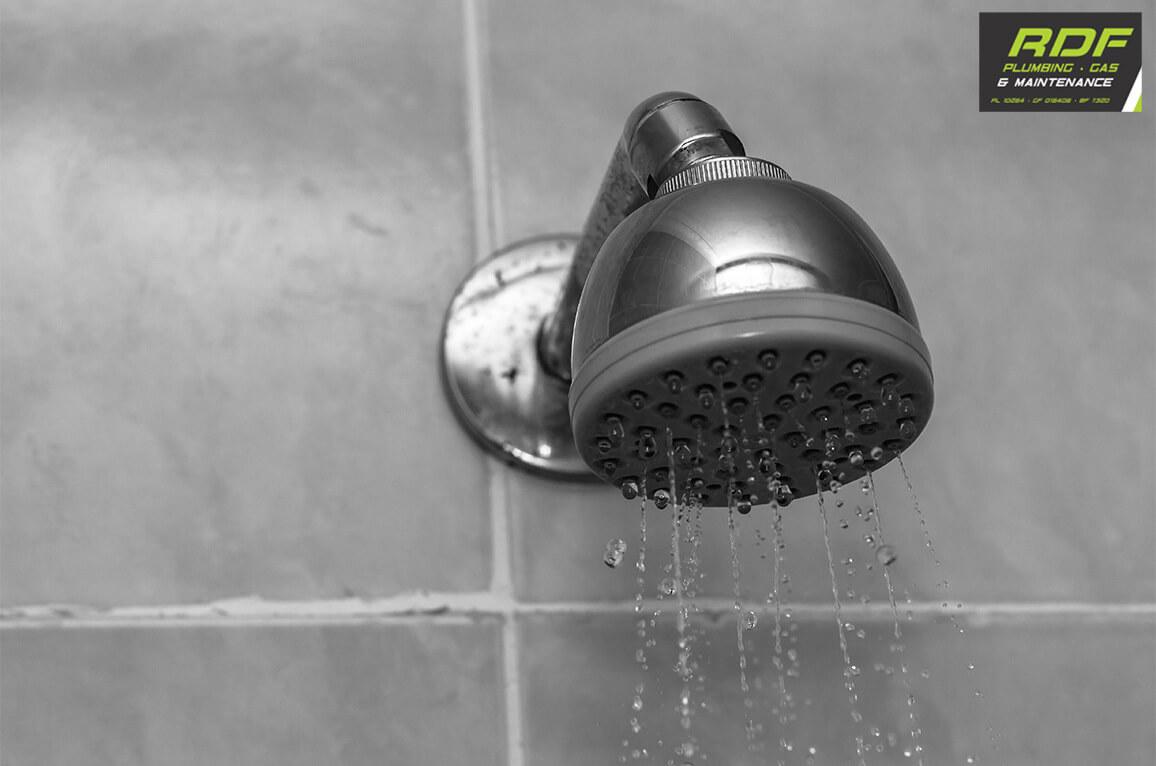
Get Your Shower Fixed with a Licensed Plumber Today
Low shower pressure can be caused by anything from a simple showerhead clog to a more serious plumbing issue. The key is identifying the root cause quickly and taking the right action. Whether it’s cleaning out mineral buildup, replacing a faulty valve, or upgrading your fixtures, there’s always a way to restore strong, steady water flow.
But sometimes, a DIY fix isn’t enough, and that’s where professional help comes in.
At RDF Plumbing, we specialise in diagnosing and resolving all kinds of water pressure issues. From pinpointing hidden pipe problems to installing the latest high-performance fixtures, our experienced team is ready to put the pressure back where it belongs: in your shower. Don’t settle for average showers. Contact RDF Plumbing today and let us help you fix low shower pressure for good.
June 20, 2025